 Kagawa Prefecture, Japan
4 Cultureの最近のブログ記事

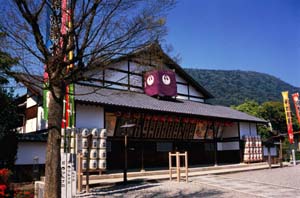
Standing on the side of the approach to Konpira Shrine, Kanamaru-za is the oldest remaining kabuki theater in Japan, having been erected in the Edo Era, and is designated a property of national cultural significance. Every spring a kabuki performance is put on by the most famous kabuki players, and is an extremely popular event.
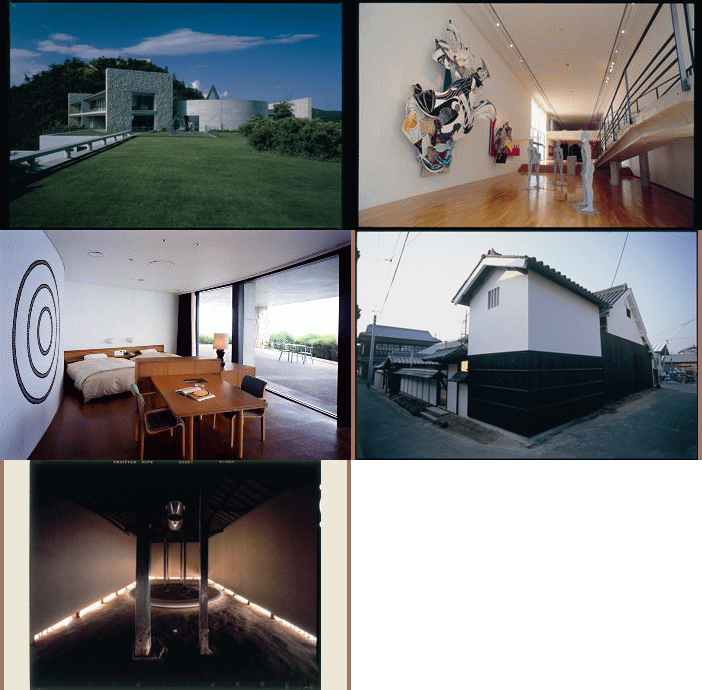
Locating in the northern region of the Seto Inland Sea, Naoshima is famous as an island of art. It includes a joint art museum and hotel, Bennesse House; a series of old houses which have been transformed into art works, the Art House Project; and the Chichu Art Museum, designed by Ando Tadao, in which works by Monet are displayed.
[Images]
1-Benesse House (Photo:Tadasu Yamamoto)
2-Benesse House Museum (Photo:Koji Murakami)
3-Benesse House Oval Guest Room
4-Art House Project "Kadoya" (Photo:Norihiro Ueno)
5-Art House Project "Kinza"(Being given:Rei Naito ,Photo:Noboru Morikawa)
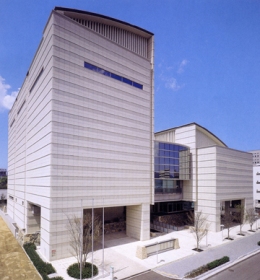
Renovated in April of 2008, this museum offers a combination of historical information and fine art. The collection includes approximately 1700 pieces, including a lavishly detailed map of Takamatsu from the early Edo Period, and a lively drawing of a shrine festival. The art collection focuses on local artists and contains Japanese- and Western-style paintings, as well as sculptures and industrial art pieces.
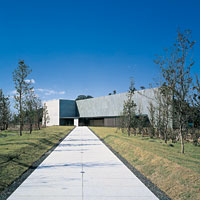
This gallery displays only the works of Higashiyama Kai-i, a Japanese-style painter who defined the Showa era. The building commands a view of the islands of the Seto Inland Sea where the artist’s grandfather was born. One can also see the light grey Seto Ohashi Bridge from the gallery.
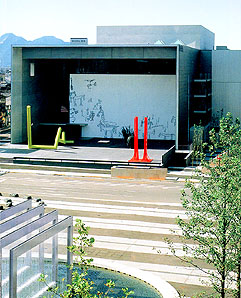
The Marugame Inokuma Museum Of Contemporary Art (MIMOCA) displays mainly the works of Kagawa-born Inokuma Gen’ichiro, supplemented by collections of various other modern art pieces from inside and outside Japan. The building itself was designed by Taniguchi Yoshio, the architect who designed New York’s MOMA.

The workshop that world famous sculptor Isamu Noguchi during the last few years of his life is now open to the public as an art garden. The 150 or so sculptures on display were chosen by Noguchi himself. His house - kept as it was when he was alive - has been arranged into a single exhibit along with a specially designed sculpture garden and a rebuilt storehouse display.
(Reservation required)

Located at the foot of historic Mt.Yashima, Shikoku-mura is a collection of ancient buildings from all over Shikoku. Framed by the greenery of the surrounding forest, nostalgic structures such as old houses brought from all four corners of Shikoku are on display, along with a vine bridge, a traditional teahouse, storehouses and a farmers’ kabuki stage.

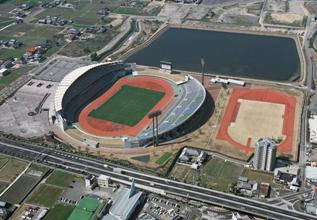
Marugame Stadium can accommodate national and international competitions in sports such as soccer and rugby, as well as track and field meets. Along with being the venue of the yearly Marugame Half-Marathon, a national event, it is used by international athletes for training camps prior to the Athletics World Championships and the Olympics.
